Why Roof Valleys Leak and How Professionals Repair Them
Roof valleys are the channels where two roof https://marcotiei034.urbanvellum.com/posts/terracotta-vs-concrete-tiles-for-rockingham-renovations slopes meet, directing rainwater towards the gutters. Because they collect runoff from a large roof area, a small defect can allow significant water into the roof space. For homes in Rockingham and across Perth, wind-driven winter rain, coastal salt exposure and accumulated debris can all contribute to valley leaks.
A lasting repair addresses the cause of the leak, not just the visible water stain. Understanding how valleys fail helps homeowners recognise problems early and choose an appropriate repair.
Common Reasons Roof Valleys Leak
Leaves and Debris Restrict Water Flow
Leaves, twigs and dirt can collect in valley channels, particularly beneath overhanging trees. These obstructions slow drainage and can push water sideways beneath adjoining tiles or roof sheets. Damp debris also holds moisture against metal, increasing the risk of corrosion.
Corrosion Damages the Valley Tray
Metal valley trays can develop rust, thinning or holes as protective coatings deteriorate. Rockingham’s coastal environment can accelerate corrosion, although exposure varies with distance from the ocean, shelter and maintenance. Incompatible metals and unsuitable fasteners may also contribute to premature deterioration.

Tiles, Flashings or Installation Details Fail
Cracked tiles, displaced roofing and poorly formed flashing joints can admit rainwater. Valleys may also leak when the channel is too narrow for the roof’s runoff, tiles extend too far into it, or fixings penetrate the water-carrying area. Incorrect laps and insufficient provision for thermal movement can create further weak points.
Warning Signs Homeowners Should Watch For
- Ceiling stains or damp patches beneath the junction of two roof slopes.
- Dripping during heavy rain, particularly when wind accompanies the storm.
- Visible debris, rust or displaced tiles near a valley.
- Peeling paint, musty smells or damp insulation in the roof space.
Water can travel along roof framing before becoming visible indoors, so the stain may not sit directly beneath the defect. Do not climb onto a wet roof to investigate. Photograph internal damage from a safe position and arrange a professional inspection.
How Professionals Repair Roof Valleys
Inspect the Roof and Identify the Entry Point
A roof repair professional checks the valley, adjoining roof covering, flashings and gutter outlet. Where safe and accessible, they also inspect the roof space for water tracks and damaged materials. Controlled water testing may help isolate a leak when a visual inspection does not establish its source.
Clear Blockages and Correct Local Defects
If the valley remains sound, repairs may involve removing debris, replacing broken tiles, correcting displaced roofing or repairing a defective flashing detail. The adjoining gutter must also drain freely. Sealant can be appropriate for certain specified joints, but smearing it over rust or an incorrectly installed valley is not a dependable long-term solution.
Replace Deteriorated Valley Components
When a tray has extensive corrosion, perforations or unsuitable dimensions, replacement is often more reliable than patching. Professionals lift or remove enough adjoining roofing to access the valley, inspect the supports and any underlay, and install a compatible replacement. They then reinstate the roof covering with appropriate clearances, laps and fixing locations.
Repair details should suit the roof material, pitch, runoff and coastal exposure, following applicable National Construction Code requirements, relevant Australian Standards and manufacturer instructions. Any moisture-damaged insulation or timber should also be assessed before internal finishes are repaired.
Preventing Repeat Leaks in Rockingham
Arrange roof and gutter maintenance before Perth’s winter rains, with additional checks after severe storms or heavy leaf fall. Keep overhanging vegetation managed and ask the inspector to check valley corrosion, tile alignment and drainage restrictions.
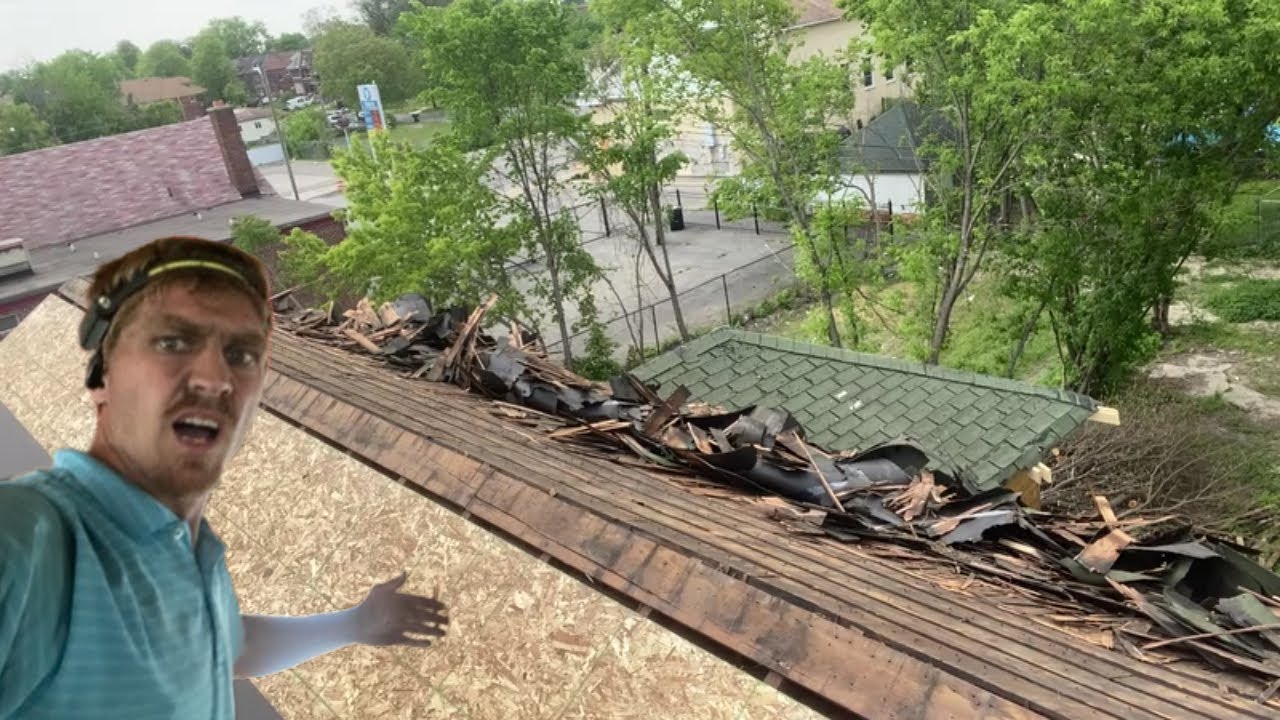

When requesting a quote, ask whether it includes debris removal, adjoining roofing repairs, replacement materials and disposal. A clear explanation of the defect, supported by inspection photographs where practical, helps you compare repair proposals. Prompt attention to a leaking valley can prevent more extensive damage to ceilings, insulation and roof timbers.
Rockingham Roof Restoration
Unit 7, 8 Livingstone Rd, Rockingham WA 6168
(08) 9515 3009